How to Avoid Chapped Lips this Winter

How to Avoid Chapped Lips this Winter

Winter brings things we love: holiday time, hot cocoa, skiing, and cozy nights by the fire. But with it comes cold and lack of humidity that can make your skin and lips as dry as tree bark!


How to Avoid Chapped Lips this Winter

The skin on your lips is different from the rest of your body. Lips don’t have oil glands and are thin and delicate, which makes them more prone to drying out.

Most people don’t even notice how much they touch or play with their lips — we tend to lick, pick, and even bite on their lips without even thinking about it. These habits can really take a toll causing dry, flaking and painful chapped lips that seem to never heal.

Here are my 12 tips for treating and preventing dry lips so they stay soft, beautiful and hydrated all winter long!

1) DON’T LICK YOUR LIPS – THIS IS #1 ON MY LIST FOR A REASON

Lip licking is probably the worst habit you can have with dry lips. When your lips get dry, you lick them in hopes of adding moisture. But it does the opposite!

Saliva evaporates quickly, leaving your lips drier than before you licked them. This starts the vicious cycle of licking again and again for relief, leading to the downhill spiral of seriously painful, dry and cracking skin. This results in some seriously chapped lips!

2) AVOID FLAVORED LIP BALMS CONTAINING MINT, MENTHOL OR CINNAMON

Lip balms with that “extra tingle” is good for your lips, right? Wrong. It’s ironic, but a lot of lip products contain colors, irritants, and dyes that can cause irritation. At first, they are soothing and feel great, but overuse can make your lips even more dry and irritated.

Common drying/irritating ingredients to avoid include:

Menthol
Fragrance
Salicylic Acid
Camphor
Phenol


3) BREATHE THROUGH YOUR NOSE

It sounds strange, but something as simple as breathing through your mouth can actually dry out your lips.

4) LIP PLUMPERS CAN MAKE DRY LIPS WORSE

A lot of the lip plumpers that claim to enhance lip volume do this magical trick through temporarily causing lip swelling. These products typically contain irritants or chemicals, such as those derived from cinnamon or cayenne pepper. These ingredients can lead to continuously chapped lips or even dermatitis on your lips.

5) STAY HYDRATED INSIDE-OUT BY DRINKING WATER

The warmer months aren’t the only time your body craves hydration. Water affects the moisture levels throughout your body and skin all year long. Less water means less saliva production, which can make your lips feel really dry. Keep your body and skin hydrated from the inside-out!

6) AVOID SMOKING

Tobacco smoke can irritate the sensitive skin around the lips, causing them to dry out and become more likely to crack. Not to mention that it is a carcinogen too!

7) SLEEP WITH A HUMIDIFIER

In the winter there’s little humidity in the air and lots of dry heat in your house. All this dry air removes moisture from your skin and causes dry lips.

Sleeping with a humidifier is the best for adding moisture to the air and helping your skin stay supple. Even if you have a whole house humidifier, a focused humidifier by your bed at night can be a life saver through the cold, dry winter months.

8) COVER YOUR LIPS WHEN OUT IN THE ELEMENTS

Wind and cold temps can take a toll on your lips. Exposing them to harsh elements will cause them to get dry and irritated. Covering them with a scarf when you head out into brutal temperatures and wind can help keep them protected.

9) AVOID SUN DAMAGE

Prolonged exposure to the sun’s UV rays can cause big time damage to your lips, leading to dryness and cracking. Chronic sun damage can also result in something called actinic cheilitis, which causes crusting and thick scale to form on your lips. This condition can become serious over time and result in precancerous and cancerous lesions. If you think this might be you, head into your derm office for a check.

When looking for a lip balm with sun protection AVOID chemical sunscreens such as oxybenzone (also known as benzophenone-3), octinoxate, avobenzone, octisalate, octocrylene, and octinoxate benzene. These can be irritating and are not good for your fragile lips or your body. Look for sun blockers like zinc and titanium instead. If you can’t pronounce it, you probably shouldn’t be using it!

10) KNOW THAT CERTAIN MEDICATIONS CAN CONTRIBUTE TO CHAPPED LIPS

Most times this cannot be avoided, but it’s good to know that certain medications, such as antihistamines, chemotherapy agents, and diuretics can cause dehydration and chapped lips as a side effect.

Even some topical acne medications may contain lip irritants, such as salicylic acid or benzoyl peroxide. To avoid contact with your lips when using these products, just apply a barrier ointment like Aquaphor or Vaseline to your lips prior to applying your acne medication.

11) NO PICKING!

Whatever you do, don’t peel or bite off the dry skin on your lips! When your lips are chapped, they can be rough and start to peel. When you pick, you can end up taking off skin that isn’t completely dead, which can lead to bleeding and pain.

12) INGREDIENTS TO LOOK FOR IN A LIP BALM

Look for lip products with both hydrating and occlusive ingredients. This combination will moisturize while preventing water loss. In many lip balms you will also find a wax as an ingredient, which helps the product stick to your lips.

Occlusive ingredients may include beeswax, lanolin or petroleum (also hydrating) and work to hold moisture in. Moisturizing agents might include ceramides, jojoba oil, olive oil, dimethicone, coconut oil, shea butter or cocoa butter.

Of course, use a good lip balm throughout the day, but the most important time to slather on more is at night before you go to sleep.


MY TOP LIP PICKS

Aquaphor skin protectant ointment has Petrolatum, Panthenol, Mineral Oil and Glycerin to moisturize, protect and relieve chapped, dry, cracked or irritated lips.
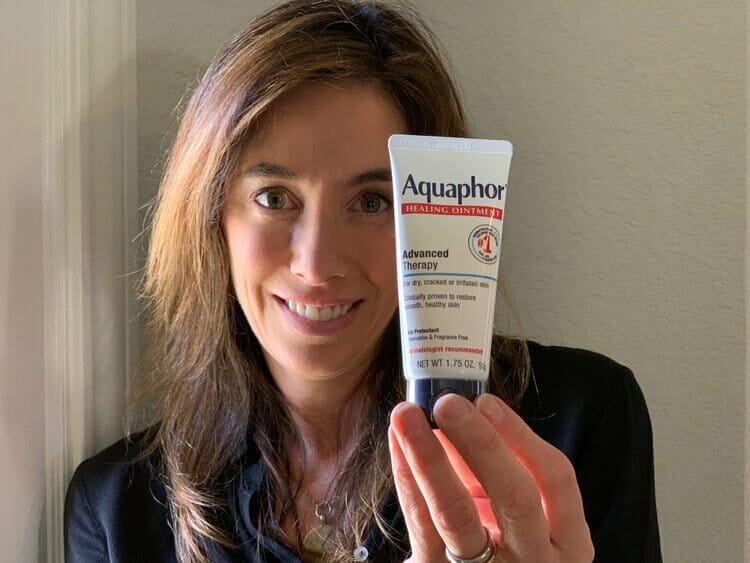
PA Pauli Morrow from Evolution Dermatology loves Aquafor for dry lip treatment

So simple, but just what your fragile lips need. It is made with Petroleum jelly, which is a mixture of natural waxes and mineral oils that together lock moisture in lips, moisturizing it to repair and relieve dryness.
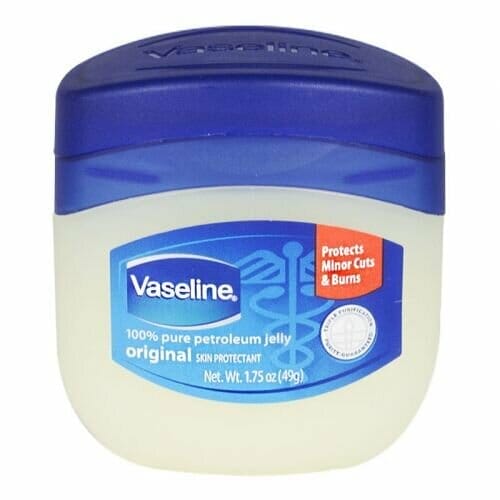
PA Pauli Morrow, from Evolution Dermatology in Boulder Colorado, blog about chapped lips and using vaseline

This water-resistant organic lip balm with broad spectrum UVA/UVB protection hydrates and smoothes dry, chapped lips. This vitamin- and antioxidant-enriched formula nourishes and conditions with organic Cupuaçu Butter and Raspberry and Jojoba Seed Oils.
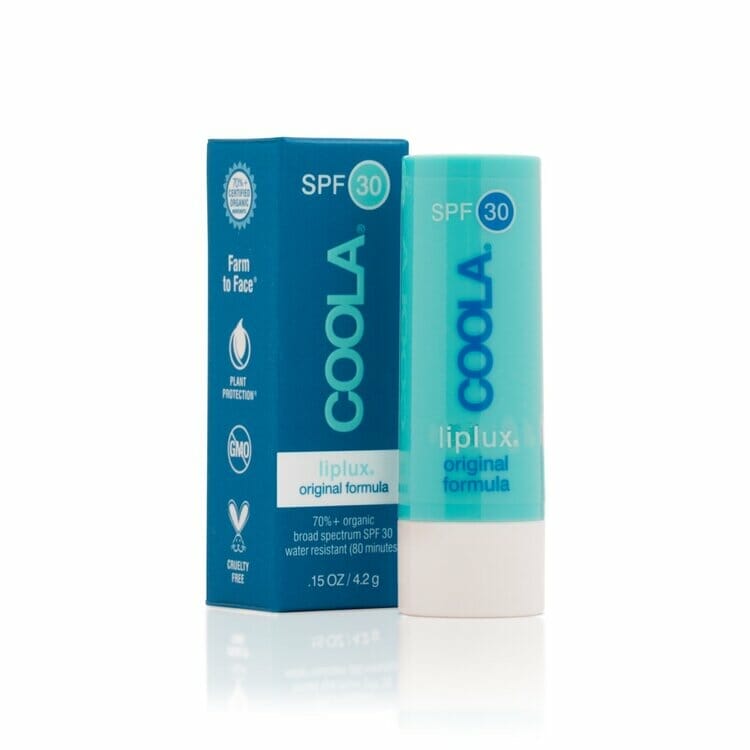
Evolution Deramatology and PA Pauli Morrow recommend Coola lip balm

Evolution Lip Balm

You can grab this one at our office! And it has all kinds of great ingredients to help your lips stay healthy. Including: sunflower seed oil, beeswax and organic olive oil. It’s great for Summer and Winter protection.
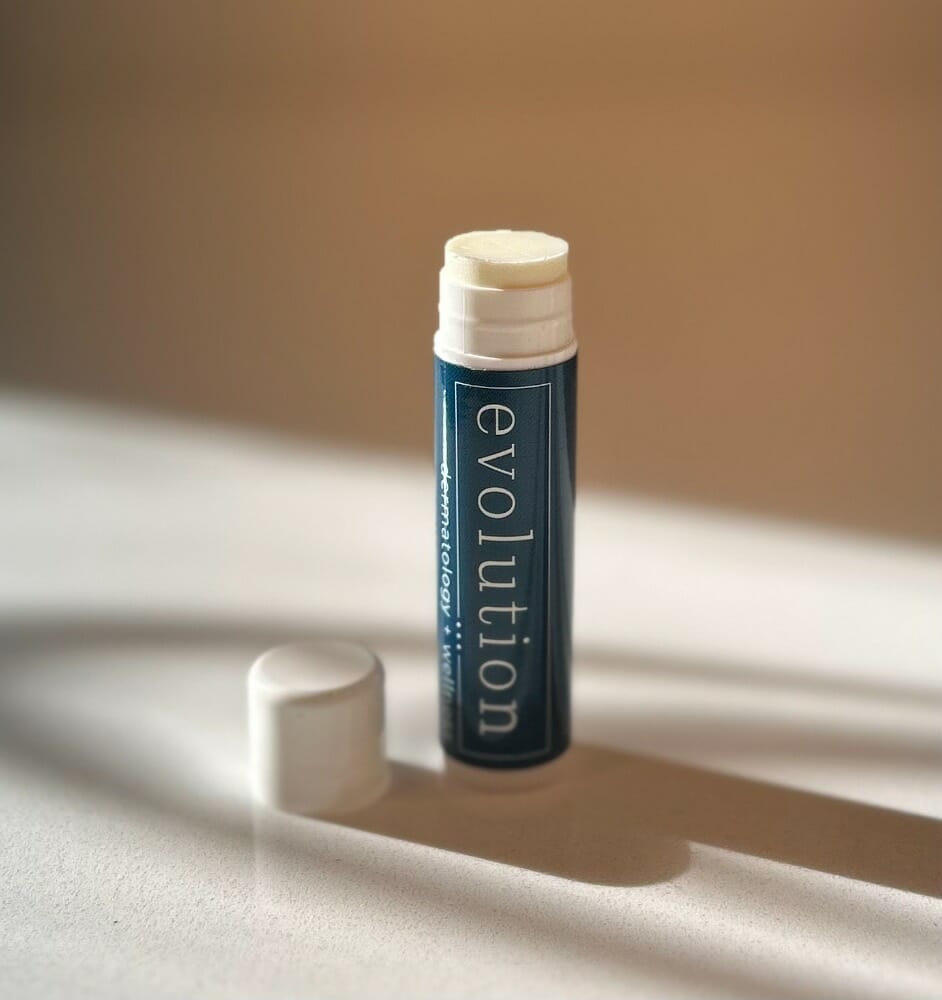
Evolution Dermatology custom lip balm for winter and summer protection available in the office in Boulder Colorado
Unveiling the Secrets of Dermaplaning

Unveiling the Secrets of Dermaplaning

Dermaplaning has been around for over 40 years, but has gained immense popularity as a non-invasive cosmetic procedure in recent years. It’s a very effective skincare treatment that is simple but delivers some amazing results. Here I explore the concept of dermaplaning, its benefits, and if it may be right for you. Let’s dive in!

What is dermaplaning?

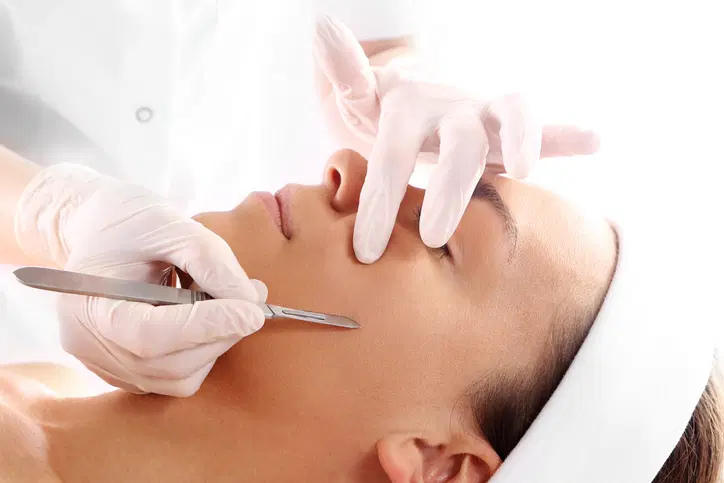
Dermaplaning, also known as epidermal leveling or blading, is a skincare procedure performed by our experienced aestheticians. It entails using a specialized surgical scalpel to gently scrape off dead skin cells and vellus hair (peach fuzz) from the surface of the skin. It will take about 20-30 minutes and is completely painless. You can enjoy the benefits of this treatment every three to four weeks to maintain a smooth, radiant appearance.

How can I benefit from dermaplaning?

Numerous medical journals highlight the potential benefits of dermaplaning. According to a study published in the Journal of Cosmetic Dermatology (Smith et al., 2018), dermaplaning can improve skin texture, reduce the appearance of fine lines and wrinkles, and enhance the absorption and efficacy of skincare products. Additionally, dermaplaning can provide a smoother canvas for makeup application, resulting in a more flawless finish (Gonzalez et al., 2019). In short, it rejuvenates your skin by promoting cell turnover and enhances product penetration. Any skin care products placed on your skin after the treatment will absorb better and your skin will be glowing and smooth!

Are there any side effects?

Dermaplaning is very safe and has little side effects. A comprehensive review published in the Journal of Clinical and Aesthetic Dermatology (Al-Niaimi et al., 2020) indicates that possible side effects of dermaplaning may include temporary redness, sensitivity, and a risk of superficial cuts or nicks. However, these side effects are not common and tend to resolve quickly.

Is dermaplaning right for your skin type?

Dermaplaning is suitable for most people seeking skin rejuvenation. It is particularly beneficial for those with dry or rough skin, superficial hyperpigmentation, or mild acne scarring. However, it is not ideal if you have active acne, open wounds, sunburns, or a history of keloid scarring. If you are not sure, just ask our aesthetician and she can help you make the best decision for you.

What should you know before dermaplaning?

Before having a dermaplaning treatment, there are a few considerations. It is important to have a professional experienced in performing dermaplaning and never try this at home! Additionally, inform our aesthetician about any allergies, skin conditions, or medications you are currently using. Avoid excessive sun exposure and discontinue the use of retinoids or exfoliating products a few days before the treatment.

Can you combine dermaplaning with other facials?

Dermaplaning can be combined with other types of facials to enhance your results. According to a study published in the Journal of Drugs in Dermatology (Mills et al., 2019), combining dermaplaning with chemical peels can provide a synergistic effect, improving overall skin texture and tone. When scheduling your facial, just ask if dermaplaning can be added to boost your results!

Dermaplaning offers a range of benefits to improve the appearance and texture of your skin. Indulge in this rejuvenating experience, and watch as your complexion transforms, revealing a fresh and youthful appearance that will make heads turn!

Pros and Cons of Sunless Tanning Products

Pros and Cons of Sunless Tanning Products

Pros and Cons of Sunless Tanning Products

Hopefully you have a sunny trip on the horizon. Since you will be baring more skin than usual on your adventure, there is nothing better than sporting a faux glow!

How can we enjoy some bronzed skin without a downside?

ARE TANNING BEDS EVER SAFE?

Never.  The UV radiation from tanning beds (and of course the sun too) leads to skin damage, aging and skin cancer. Tanning beds are NEVER safe or good for your skin. Getting that “base tan” is only adding to your cumulative sun damage. In fact, indoor tanning beds increase your chances of developing melanoma by 20 percent.  Stay away from them all together.

HOW DO SELF TANNING PRODUCTS WORK?

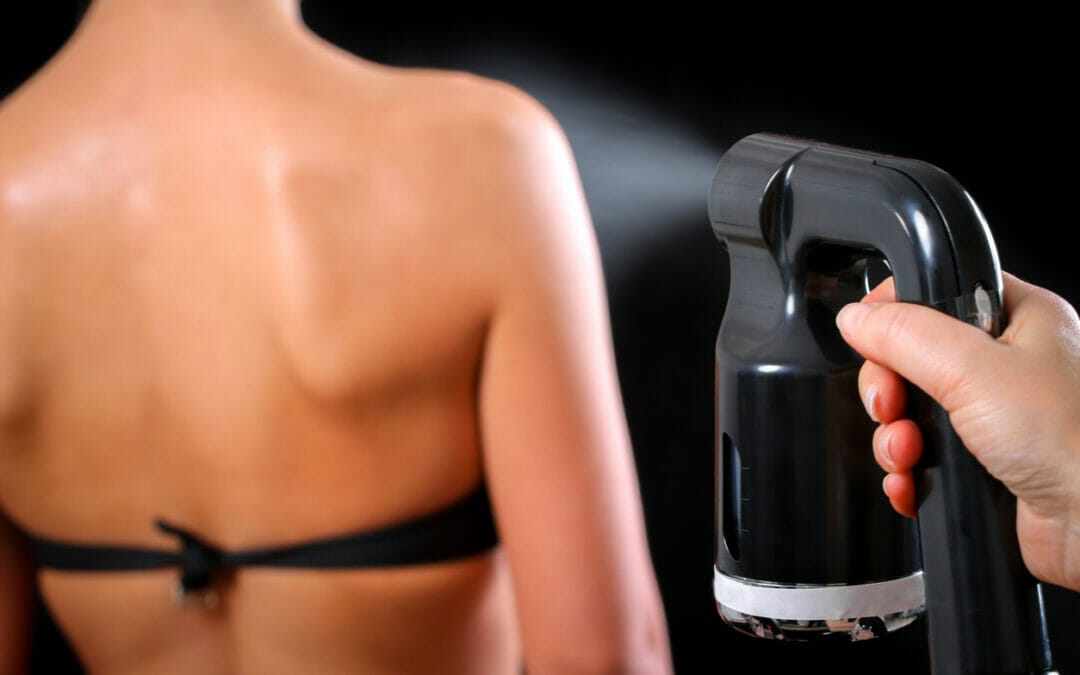
Self tanners are actually not a stain or dye.  The products have an active ingredient and darkening agent called dihydroxy acetone (DHA).  It is considered safe by the FDA and is derived from beet or cane sugar which reacts with the amino acids in the top layer of skin. It is kind of like the browning of an avocado or a piece of fruit.  The darkening effect takes place in about four hours, and wears off when your outer layer of skin has naturally shed.

Another active ingredient in self-tanners is erythrulose.  It works similarly to DHA and is derived from raspberries and can be found in some more “natural” products and even Jergen’s tanning products (in combination with DHA).


ARE SUNLESS TANNING PRODUCTS HARMFUL?

Some products contain parabens.  This is something that you should avoid in any topical product that goes on your skin.  Parabens act as a preservative when added to products to create a longer shelf life.  But they have been linked to breast cancer and avoiding any ingredients that end in “-paraben” (like methylparaben, propylparaben, ethylparaben and butylparaben) is best.

I have known to avoid parabens for a while, but what I did not expect to find out is that there are also other potentially harmful chemicals to be aware of in tanning products.  In the past, I have always been a fan of getting a spray tan before a warm vacation – or using a self-tanner occasionally to help get a little color without the sun.  However, what I did not realize is that there are some potentially harmful effects that these can have.   

WHAT ARE THE HARMFUL EFFECTS OF DHA AND ERYTHRULOSE?

DHA and erythrulose were found in studies to have some unwanted side effects. DHA is FDA approved for topical use – but the FDA advises avoiding inhaling it (like with spray tans) and using it near mucus membranes (like eyes, nose and mouth).  Here you can read more from the FDA.  Humm…let’s find out why the advisory. 

Here’s the breakdown from what was found in studies:

DHA CAN TRIGGER FREE RADICALS.

Triggering free radicals is known as oxidative stress.  This study reported that DHA created free radicals which attack your cells and degrade collagen and elastin.  This means that DHA can actually CAUSE premature aging and sagging skin!   

DHA CAN ACCELERATE SUN DAMAGE.

I discovered that the DHA can accelerate sun damage if you go out into the sun. This study found that DHA-treated skin generates more than 180% additional radicals during sun exposure.  

Geez.  So to sum it up, DHA (the active ingredient in self tanners) can trigger free radicals and accelerate sun damage.  

Erythrulose (the other active ingredient in self tanners) has also been shown to increase production of free radicals similar to the effect seen with DHA, as reported in this study

HOWEVER, SELF TANNERS ARE STILL SAFER THAN EXCESS SUN EXPOSURE.

So, it seems that no self-tanning product is 100% safe and clean.  However, occasional use and avoiding inhaling a spray, is probably less of a worry.  There is no question that excessive sun exposure does lead to skin cancer.  If using a self tanning product keeps you from using a tanning bed or getting extra sun exposure in the hopes of getting tanned skin, then it may be a good choice for you. 

IS THERE ANY WAY TO SAFELY GET THAT FAUX GLOW?!

Where there is a will, I’ll sure try to find a way!  Here are some safer alternatives you may want to consider.  

I searched high and low and found this product that contains no parabens, no DHA and no erythrulose:

St. Tropez: Instant Glow Body Bronzer Amazon $25

100% DHA-free.  Give your skin an instant glow up that lasts all day with streak-free results that are transfer and water resistant. This is best for those looking for a quick fix or instant results with no commitment or for nervous tanners seeking a risk-free temporary glow up. I loved the way it went on smoothly and actually looked natural.

COOLA Organic Sunless Tan Anti-Aging Serum (with Beet-Derived DHA):  $54 in our office or on the COOLA website

COOLA crafted a product that is organic, paraben-free, sulfate-free, and contains ingredients like argon oil and antioxidants that can fight free radicals and potentially counteract any negative impact that DHA could cause.  This has not been specifically studied, but in theory this could be a positive impact on your skin.  


The Skinny on Exfoliating for the Best Skin Ever

The Skinny on Exfoliating for the Best Skin Ever

The Skinny on Exfoliating for the Best Skin Ever

Exfoliation is one of my most favorite skincare steps. I love getting my skin back to its natural state – free of sunscreen, dead skin cells, make-up, and any pollutants from the day. It’s such a clean, refreshing feeling!

These days there are so many exfolitating options of scrubs, cleansers, masks, facials, dermaplaning, retinoids, and in-office peels.

With all of these choices you might be wondering what to choose! Then there is the questions if why exfoliate and how often should you exfoliate?


WHAT EXACTLY IS EXFOLIATING?


Remember this?!

Remember this? St. Ives Apricot Scrub.

I wouldn’t necessarily recommend this today, but my first exfoliating facial scrub was St Ives Apricot Scrub when I was a teen trying to help my acne. This was before I even knew anything about exfoliating and I was scrubbing my skin to the point of redness in hopes to control some unruly pimples! Now that I’m older, I am using more sophisticated products that are gentler and more targeted for keeping my skin smooth and fighting fines and wrinkles.

Officially, exfoliating is the process of removing dead skin cells from the surface of your skin using a chemical, granular substance, or exfoliation tool.

Mother Nature does her own job of exfoliating and your skin naturally sheds dead skin cells to make room for new cells every 30 days or so.  As the new skin cells mature, they travel from the lower layers of your skin to the top epidermal layer. Once they make it to that outer layer, the skin cells are dead.  And eventually, they’ll slough off as the newer cells will come to the surface. If dead cells don’t shed completely on their own, it can result in a dull skin tone, flaky patches and clogged pores.

Exfoliation helps your natural sloughing process along.  When done correctly, using an exfoliant can help clear off the dead skin cells and unclog pores, revealing newer, younger skin cells below.  That glow and brightness you are looking for…exfoliating can help you get that!


6 BENEFITS OF EXFOLIATING:


1) UNCLOGS PORES AND PREVENTS ACNE

Those frustrating clogged pores, that ultimately can turn into acne pimples, are the result of dead skin cells (along with other surface debris) getting trapped in your pores instead of being shed into the environment.  If you suffer from acne, your skin creates and sheds dead skin cells faster than someone who doesn’t break out. Someone with normal skin will shed about 30,000 – 40,000 dead skin cells AN HOUR. Acne sufferers’ skin can shed up to 5X that!

Sweeping away those dead skin cells and debris with exfoliation stops them from making their way into your pores and causing stubborn whiteheads and blackheads.  Someone who is prone to acne can greatly benefit from exfoliation at home and in a professional dermatology setting. I will typically recommend things like a topical retinoid prescription and/or an AHA cleanser for my acne patients to use and home.  Additionally, I love seeing the benefits of faster results and smooth skin when they come in for in-office glycolic and salicylic acid peels (see What’s Up with Chemical Facial Peels).


2) INCREASES CIRCULATION

Just the process of exfoliating can stimulate blood flow to the surface of your skin. This promotes collagen production, encourages healthy cells, and brightens your skin.


3) HELPS OTHER SKINCARE PRODUCTS PENETRATE DEEPER

Exfoliating your skin will help skincare products like antioxidant serums and moisturizers penetrate deeply into your skin to work more effectively. Removing those extra dead skin cells will get your skin to a state of maximum absorption, so those products that you really want to be workhorses for anti-aging penetrating deeper in the skin so that they can work their magic!


4) IMPROVES TONE AND REDUCES BROWN SPOTS/SUN DAMAGE

When your skin gets exposed to the sun, it makes a chemical called melanin to protect itself against further UV damage. Repeated exposure can cause a clump of melanin to form, which shows up as a flat brown or black spot By exfoliating, you can help fade these dark spots by encouraging new skin cells and improving the tone of your skin.


5) IMPROVES TEXTURE

Exfoliating increases your skin cell turnover rate. This means that it will promote new, healthy cells at the surface, and break down and remove the dead, dry, or dying ones. The result is soft skin, smooth texture, a more uniform appearance and a glow that we all strive for!


6) PROMOTES COLLAGEN SYNTHESIS

Collagen is a protein that acts as the structure for our skin and helps with elasticity.  It is what we are all trying to get more of (and keep from losing) in our skin to avoid lines, sagging, and wrinkles.

Continued and regular exfoliating over time has been shown to increase collagen production in your skin. Resulting in a complexion that is more plump, tight and young-looking.  Amen to that!


THERE ARE 2 TYPES OF EXFOLIATORS…

PHYSICAL AND CHEMICAL:

It sounds complicated, but they are doing a similar thing in different ways. Some people prefer chemical exfoliants over physical ones and vice versa, but it’s up to your specific needs. I actually use both!


PHYSICAL EXFOLIATORS

This is the type of exfoliation that involves you or someone else doing all of the work with either manual scrubbing, rubbing or shaving (in dermaplaning).

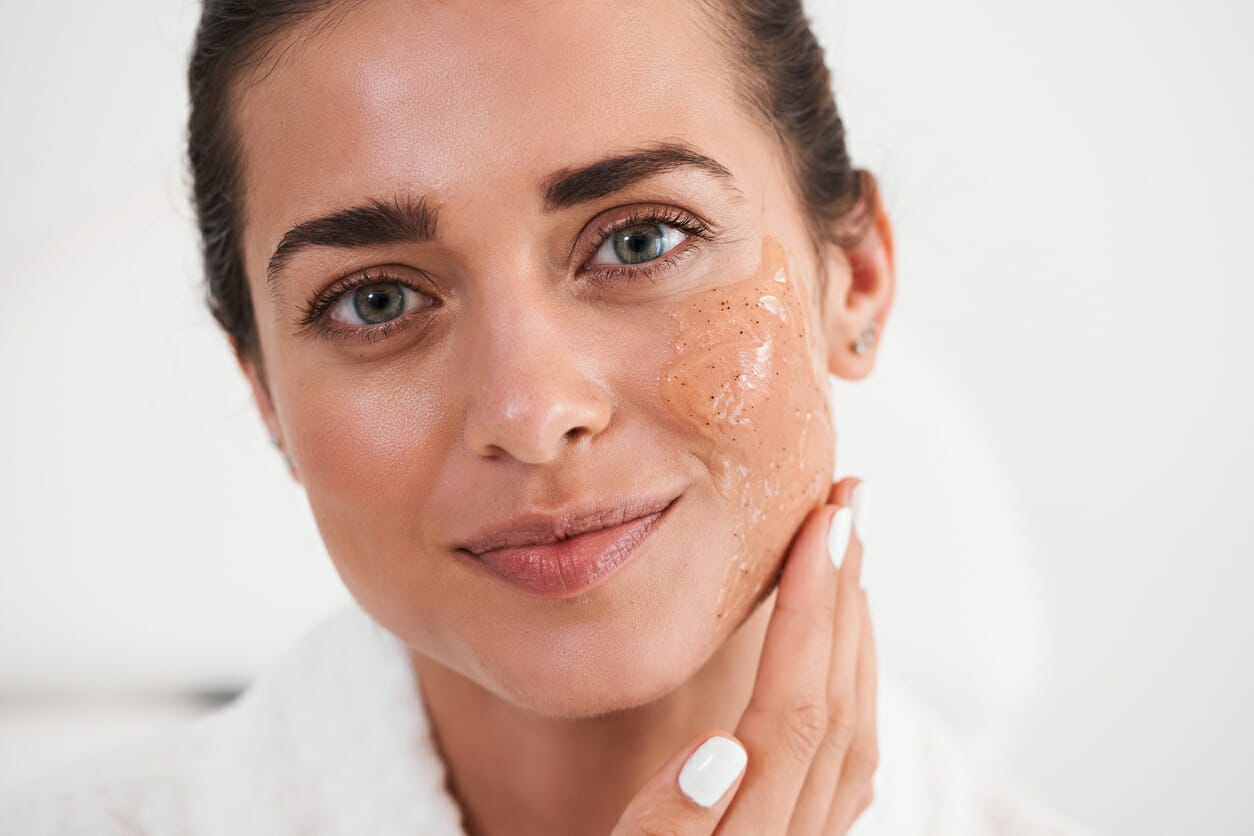
The skincare products in this category include: cleansing scrubs (containing beads, sugar, salt and other rough particles), body brushes (that you used by hand or motorized, like Clarisonic), loofahs, exfoliating mitts, and in-office microdermabrasion, dermaplaning, and microneedling.

Physical exfoliation can be effective, but care must be taken.  It is easy to overuse them or use them too harshly and cause redness, irritation and even pimples.  Make sure to use these gently and look for tiny scrubbing particles that won’t scratch or damage your skin. One tip is to follow up with a humectant moisturizer or hyaluronic acid serum to minimize irritation and lock in moisture.


CHEMICAL EXFOLIATORS

This method uses different chemicals, including acids, retinoids, or enzymes.  The benefit of these is that they not only exfoliate the surface dead skin cells away, but also to break the bonds between cells to renew your skin even further and offer more dramatic results.  Chemical exfoliants might come in a wash labeled for acne or anti-aging, in a serum, in an at-home peel, or a peel at your dermatology or esthetician office. The difference between a peel at an esthetician office and derm office is strength.  In a derm office we can go deeper and do stronger peels. I love doing peels and we have a big variety to choose from!

Some examples of chemical exfoliants include:

Alpha Hydroxy Acids (AHAs) – glycolic (from sugar), lactic (from milk), citrus (from citric fruits), mandelic (from almonds) and malic acids (from apples).

Beta Hydroxy Acids (BHAs) – salicylic acid (from willow trees).

Poly Hydroxy Acids (PHAs) – gluconolactone (made from an acid found in fruit, honey and wine) and lactobionic acid (a sugar acid).

Retinoids – over-the-counter retinol and adapalene (Differin gel), and prescriptions including:  tretinoin (Retin A), tazarotene (Tazorac) and alitretinoin (Altreno).

Enzymes – common ones are from fruits including: papaya, pineapple, blueberry, or pumpkin.

I realize that there are a lot of chemical choices out there.  Take care choosing, because just as with physical exfoliation, chemical exfoliation can irritate the skin if done incorrectly. If you’re unsure about how to incorporate a chemical product into your skincare routine, make an appointment for a little guidance.


HOW OFTEN SHOULD YOU BE EXFOLIATING?

Believe it or not, you can exfoliate TOO much!  The satisfaction of scrubbing the negative and wrong doings off your face cannot be denied.  At times it’s tempting to be aggressive and over exfoliate. But taking too much of that protective barrier on your skin’s surface can result in a red and irritated face.  The best way to know you are on the right track is to see the glowing results without irritation. Slow and steady is the key! It sounds simple, but ultimately you can exfoliate as often as your skin will tolerate it.

The best way to see what your skin can tolerate is to start with an exfoliator once or twice a week, preferably introducing a chemical exfoliator before a physical one. Chemical ones tend to be less intense and more evenly applied.  Physical ones like scrubs tend to cause more irritation if used too aggressively – which is tempting to do at first.

If it feels like your skin can handle more without reacting, then it’s okay to slowly increase as your skin allows. If you notice that your face is stinging and red, or otherwise angry afterward, it’s time to take a step back.  You may need to decrease the frequency of use, decrease pressure with your physical exfoliant, or switch to a milder chemical formulation (like lactic or glycolic acid rather than a retinoid). It’s also worth considering your whole skincare routine and avoiding using other potentially irritating products right after you exfoliate. Normal skin can typically handle 5 to 7 times a week with a gentle exfoliant.  I like to use my chemical exfoliant wash in the evening to totally remove dirt, oil, make-up and sunscreen from the day.

However, if you have more sensitive skin or rosacea you may only be able to exfoliate once a week.  If you know you are sensitive, don’t overdo it! Stick to a gentle exfoliant and make sure to moisturize immediately after to lock in moisture and limit irritation and redness.

Benefits of exfoliation on the skin

WHAT TO LOOK FOR IN A PRODUCT TO USE AT HOME

Your over-the-counter options for exfoliating are almost endless.

Picking a product that will work for you depends on your skin type and your major concerns. If you have dry or sensitive skin, you might have problems tolerating harsh scrubbing products, while someone with oily or acne-prone skin would be able to tolerate them more easily.  Here a few suggestions that I tend to reach for…


CLEANSERS:


lytic gel tall.jpg

Epionce Lytic Gel Cleanser

This cleanses without irritation or over-drying with botanical anti-inflammatory and soothing ingredients like: Willow Bark Extract (a botanical source of Salicylic acid), Date Fruit Extract, Orange Fruit Extract and just the perfect touch of Menthol to make you feel like you just went to the spa!


sc micro scrub.jpg

SKINCEUTICALS MICRO-EXFOLIATING SCRUB

With hydrated silica beads are used to exfoliate instead of micro plastic beads of the past so that it is better for the environment.


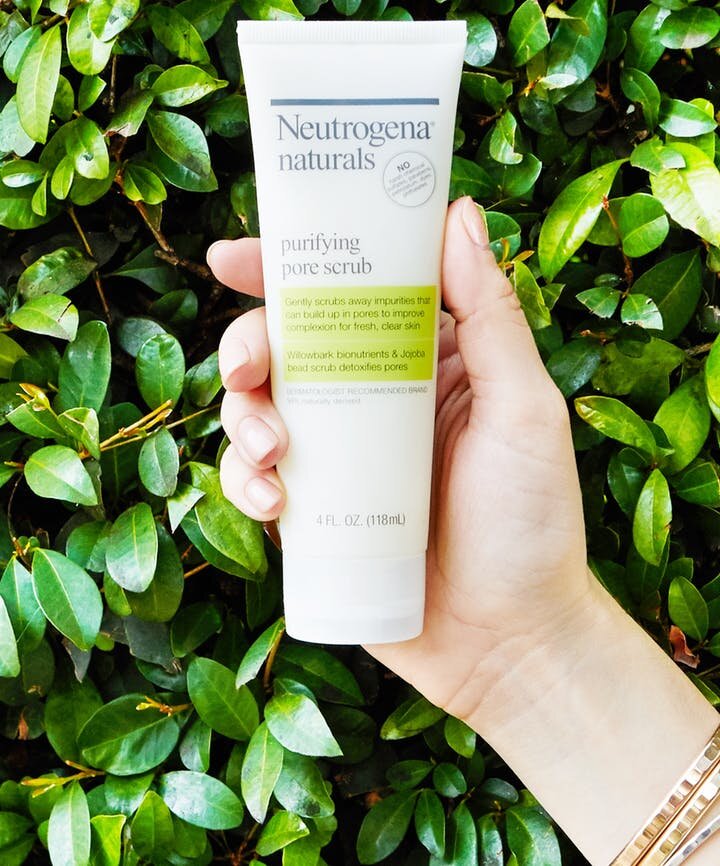
Neutrogena Naturals Purifying Pore Scrub .jpeg

Neutrogena Naturals Purifying Pore Scrub

This scrub is fabulous for all skin types, especially great if you struggle with both breakouts and dry, sensitive skin. It contains jojoba beads that are a gentle way to exfoliate, and the addition of willow bark is an excellent way to naturally fight pimples.


LEAVE-ON EXFOLIANTS:


lytic tx.jpg

Epionce Lytic Tx

Apply this product at night to help with fine lines and wrinkles as well as fight those stubborn pimples with both Salicylic acid and Azelaic acid!


SC retext.jpg

SkinCeuticals Retexurizing Activator

This hydrating serum contains 20% glycolic acid for fabulous exfoliation without drying out your skin. I alternate this one with my prescription Retin-A/tretinoin cream at night for anti-aging superpower without irritation.


sc blemish.jpg

SkinCeuticals Blemish + Age

This is a fun combination of 2% dioic acid with alpha and beta hydroxy acids prevent blemishes while diminishing hyperpigmentation and reducing wrinkles and fine lines. You can even use this one to spot treat pimples!


retin a.jpg

Prescription Only Retin-A/Tretinoin Cream

This is the cream of the crop for exfoliating and collagen production! But watch out for possible irritation with this one. It’s worth asking your derm about this one for great skin texture and tone.

The Secret to Healthy Skin: Take Your Fish Oil!

The Secret to Healthy Skin: Take Your Fish Oil!

The Secret to Healthy Skin: Take Your Fish Oil!

THAT’S RIGHT, TAKE YOUR FISH OIL!

We all have heard about fish oil (AKA Omega-3 oils) for heart health, for improving our joints and for brain health. So it might surprise you to learn about some serious skin benefits too!

When it comes to healthy skin, most of us concentrate on what we are applying on the surface. But what you put in your body can be just as important as what you put on it. Taking Omega-3 fish oils can help with everything from acne and eczema to wrinkles!

A LITTLE BACKGROUND:

Fish oil contains 2 main types of Omega-3 fatty acids (though there are 8 total types): docosahexaenoic acid (DHA) and eicosapentaenoic acid (EPA). DHA works to keep the brain functioning at its best and is a structural component of your skin, a crucial element in maintaining healthy cell membranes. EPA specifically benefits your skin by acting as an antioxidant, anti-inflammatory and regulator for oil production.

LET’S BREAK DOWN SOME OF THE BENEFITS OF OMEGA-3S FOR YOUR SKIN.

HERE ARE 7 FABULOUS BENEFITS…

1) SKIN HYDRATION

Benefits of Fish oil on your skin

Omega-3 oils are amazing at skin hydration from the inside out. As you get older, your skin thins and holds less moisture resulting in dry, flaking skin. Omega-3 oils allow your skin cells to retain water more efficiently to keep your skin hydrated, pump and soft.

BENEFITS:

  • More youthful looking skin by reducing fine lines and wrinkles caused by dry skin and overuse of irritating products

  • Relief from eczema! Even kids with dry skin and eczema issues can benefit from Omega-3 oils

2) REDUCTION IN INFLAMMATION

REDUCTION IN INFLAMMATION

Omega-3 oils naturally exist in the membranes of immune cells and are important for your immune system. Inflamed skin can result in redness, itching and scale. Boosting your intake can reduce inflammation in your body and your skin!

BENEFITS:

  • Improvement in inflammatory issues like psoriasis, atopic dermatitis and eczema

  • Soothing skin that is inflamed from a dry or harsh environment (think everything from snow skiing to chlorinated swimming pools or even a day at the beach with the sun, salt water, and sand)

3) SMOOTHER SKIN

benefits of fish oil is smoother skin

Omega-3 oils prevent hyperkeratinization. What is this you ask? This is when skin cells stick together and clog your pores/hair follicles (FYI: your pores and hair follicles are the same thing!).

BENEFITS:

  • Improvement in the appearance of those little red bumps you may get on the back of their arms or thighs, known in the derm world as keratosis pilaris

  • Unclogging of pores and smoothing out the skin’s surface, giving a glowing appearance

4) REDUCTION IN ACNE

Fish oil can help with acne

Acne is an inflammatory condition. Even if you have acne that doesn’t look inflamed (think clogged pores and blackheads), research has shown that it has markers for inflammation.

Omega-3 oils work as a serious anti-inflammatory and also help to regulate the production of oil in your skin.

BENEFITS:

  • Both of these factors help in reducing those frustrating acne breakouts!

5) PROTECTION AGAINST ENVIRONMENTAL AND SUN DAMAGE

fish oil can help reduce acne

Eat your protection. EPA is both an antioxidant and anti-inflammatory, working to repair cells that have been damaged by environmental toxins and protect your skin against UV damage. EPA has been found in studies to block the release of the UV-induced enzymes that eat away at your collagen. Yes, there are bad enzyme reactions that can destroy your healthy collagen!

BENEFITS:

  • Reduction of UV damage to skin.

  • Protection against aging from sun damage.

    But don’t forget your sunscreen!

6) SLOW DOWN THE AGING PROCESS

fish oil can help slow down the aging process

OMEGA-3 OILS ARE POWERFUL ANTIOXIDANTS!

This combined with their anti-inflammatory properties make these essential fatty acid superheros that boost your skin’s collagen production.

BENEFITS:

  • Increased production of healthy collagen

  • Strengthening structure and firmness of your skin, preventing lines and sagging